The Pineal Gland: Your Third Eye and the Bridge Between Science and Spirituality
For centuries, the pineal gland has fascinated both the scientific and spiritual communities. Often referred to as the “third eye-brain,” this small, pine cone-shaped gland located deep within the brain is believed to be a critical link between the physical and metaphysical realms. Let’s explore what makes this gland so special and why it continues to capture our imagination.
JN Podcast | Tap Play
What Does the Pineal Gland Look Like?
The pineal gland, also called the pineal body, is a tiny, reddish-gray structure, about 6-8 millimeters in length, resembling a pine cone. It’s located near the center of the brain, between the two hemispheres, just above the brain stem.
The Science Behind the Pineal Gland
-
Melatonin Production:
The primary function of the pineal gland is to produce and secrete the hormone melatonin. Melatonin regulates the body’s sleep-wake cycles, also known as circadian rhythms, responding to light and dark cues from the environment. This hormone also possesses antioxidant properties.
-
Neuroendocrine Transducer:
The pineal gland is a neuroendocrine transducer, meaning it can convert neural signals into hormonal signals and vice versa. This unique function allows it to integrate information from both the nervous and endocrine systems, making it a crucial link between the two.
-
Physiological Processes:
In humans, the pineal gland is thought to play a key role in various physiological processes including sleep regulation, hormone production, and the onset of puberty.
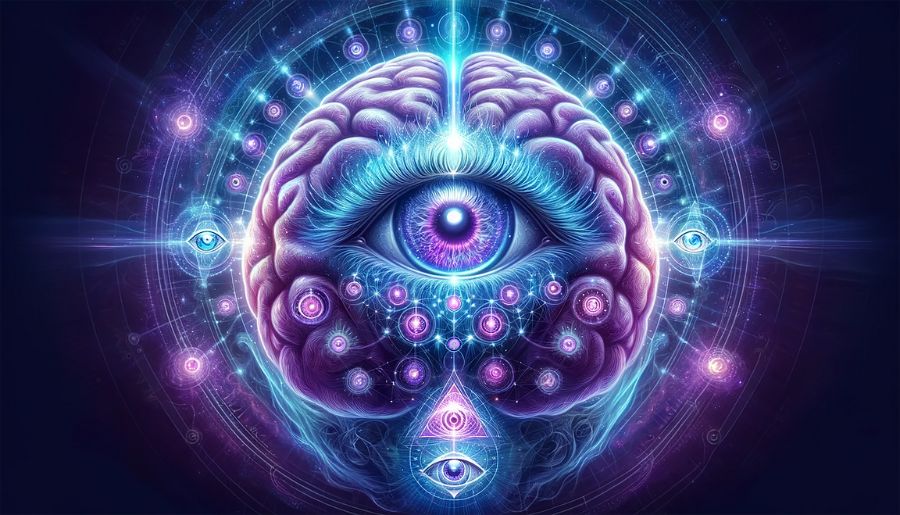
The Pineal Gland as the “Third Eye”
The pineal gland is often referred to as the “third eye” due to its unique location and function.
-
Spiritual Significance:
Many ancient cultures and belief systems considered the pineal gland to be the seat of the soul or a gateway to higher consciousness and spiritual awakening. This belief stemmed from its location within the brain and its potential light-sensing capabilities in certain animals.
-
Ancient Egypt:
In Ancient Egypt, the pineal gland was associated with the “Eye of Horus,” a symbol of protection, good health, and spiritual awakening.
-
Hinduism:
In Hinduism, the third eye, often associated with the pineal gland, is linked to spiritual knowledge and power. Lord Shiva, a core Hindu god, is depicted with a third eye at the center of his forehead.
-
Christianity:
Some interpretations of the Bible verse, “The light of the body is the eye; if therefore thine eye be single, thy whole body shall be full of light,” (Matthew 6:22) relate to the concept of the soul and the third eye.
-
Light Sensitivity:
The pineal gland contains light-sensitive cells that help control the circadian rhythm. Nerve cells in the retinas of our eyes allow for light to be sensed and then signal to the suprachiasmatic nucleus (SCN) in the hypothalamus. The SCN then blocks the signal to the pineal gland, preventing melatonin secretion when there is light.

Opening Your Third Eye
Many believe that opening the third eye can lead to spiritual enlightenment, wisdom, intuition, deeper self-reflection, and higher self-confidence.
- Practices: Common practices to open the third eye include yoga and meditation. Meditation helps create a better connection with oneself.
- Blocked Third Eye: A blocked third eye can cause poor memory, anxiety, and impair physical, emotional, and mental health. Calcification of the pineal gland, potentially caused by fluoride exposure, certain diseases, or an unhealthy lifestyle, can lead to this blockage.
- Healing: The pineal gland can be healed through meditation, crystal healing, yoga, exercise, and a healthy diet.
Closing Your Third Eye
It is also important to be able to close the third eye to avoid feeling overwhelmed.
- Methods: Grounding yourself, limiting electronics, and using crystals are some methods that can help close the third eye.
- Electromagnetic Fields (EMF): Some believe that electromagnetic fields from devices like cell phones can disrupt melatonin production, as the pineal gland may sense these fields as light. Some stones, like shungite, can block EMF.
The Ongoing Journey
The pineal gland, the “Eye of Horus”, remains a topic of immense intrigue. It is a bridge between the tangible world of science and the intangible world of spirituality. Ongoing research will continue to explore the significance of the pineal gland in both scientific and spiritual domains, unraveling the mysteries of this amazing gland.

FAQ About the Pineal Gland and the Third Eye
[sc_fs_multi_faq headline-0=”h3″ question-0=”What is the pineal gland and where is it located?” answer-0=”The pineal gland, also known as the pineal body, is a small, pinecone-shaped endocrine gland located near the center of the brain, between the two cerebral hemispheres, above the brainstem. It is often referred to as the third eye-brain due to its position and spiritual associations. It measures approximately 6-8 millimeters in length and has a reddish-gray color.” image-0=”” headline-1=”h3″ question-1=”What is the main biological function of the pineal gland?” answer-1=”The primary biological function of the pineal gland is the production and secretion of the hormone melatonin. Melatonin plays a crucial role in regulating the body’s sleep-wake cycles, also known as circadian rhythms, in response to light and dark cues from the environment. Additionally, the pineal gland is involved in regulating other physiological processes, including immune function, reproductive hormones, and even the onset of puberty.” image-1=”” headline-2=”h3″ question-2=”Why is the pineal gland called the third eye, and what is its spiritual significance?” answer-2=”The pineal gland is called the third eye due to its location in the center of the brain and the belief that it plays a role in perceiving light and darkness, similar to our two eyes. Spiritually, it is associated with intuition, wisdom, extrasensory perception, and is considered by many cultures as the seat of the soul or the gateway to higher consciousness and spiritual awakening. Its shape and function, along with its neuroendocrine transducer capabilities, have led many traditions to view it as a bridge between the physical and the metaphysical.” image-2=”” headline-3=”h3″ question-3=”What is the connection between the pineal gland and melatonin, and how does it affect the sleep-wake cycle?” answer-3=”The pineal gland is responsible for producing and secreting melatonin. Melatonin production is inhibited by light and increased by darkness. Through this mechanism, the pineal gland helps regulate the body’s sleep-wake cycle, also known as the circadian rhythm. When darkness falls, the pineal gland increases melatonin production, signaling to the body that it is time to sleep.” image-3=”” headline-4=”h3″ question-4=”How is the Eye of Horus from Ancient Egypt related to the pineal gland?” answer-4=”The Eye of Horus, an ancient Egyptian symbol of protection, health, and spiritual awakening, is often associated with the pineal gland. This connection stems from the belief that the pineal gland is the biological equivalent of the third eye and serves as a key to wisdom and spiritual enlightenment, much like the Eye of Horus symbolizes. The association is both anatomical and symbolic, with the gland’s shape and location resonating with the meaning of the Eye of Horus.” image-4=”” headline-5=”h3″ question-5=”What does it mean to open or awaken the third eye, and what practices are recommended for this?” answer-5=”Opening or awakening the third eye refers to the process of activating or developing the intuitive and spiritual aspects associated with the pineal gland. Practices such as meditation, yoga, regular exercise, healthy eating, and crystal therapy are often recommended to help open the third eye, promoting self-awareness, intuition, and a deeper sense of connection. These practices help align the chakras and improve physical and mental health by removing potential blockages that hinder the third eye’s awakening.” image-5=”” headline-6=”h3″ question-6=”What are chakras, and what is the role of the third eye chakra?” answer-6=”Chakras are energy centers in the body that, when aligned, promote physical, mental, and emotional well-being. The third eye chakra, located on the forehead between the eyebrows, is associated with intuition, inner vision, wisdom, and knowledge. It is believed that opening this chakra leads to increased self-awareness, intuition, and a perception of a broader reality.” image-6=”” headline-7=”h3″ question-7=”Is it possible to close the third eye if necessary, and how can this be done?” answer-7=”Yes, it is possible to close the third eye when necessary, especially when the energy directed to it causes overload or anxiety. Grounding practices, such as spending time in nature, using crystals, practicing yoga, and reducing electronic device usage, can help close the third eye, restoring energetic balance. Limiting exposure to electromagnetic fields (EMFs) can also help calm the third eye.” image-7=”” count=”8″ html=”true” css_class=””]